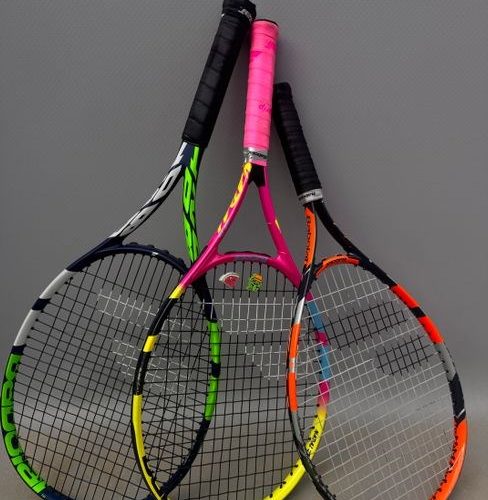
Overview of Tennis Strings
In tennis, strings shape play. Babolat’s RPM line offers Rough for spin Blast for control, suiting hard‑hitting pros. Core types—Natural Gut, Multifilament, Synthetic Gut, Monofilament—vary in feel, durability, power, guiding players to match racquet and style. Players balance tension and material maximize spin, power durability matching strings to play style.and
Definition and Purpose
Tennis strings are the flexible cords that bind a racquet’s frame, converting the player’s swing into controlled ball motion. They determine power, spin, feel, and durability, allowing players to tailor performance to their style. Modern strings come in a range of materials—natural gut, multifilament, synthetic gut, and monofilament—each offering distinct characteristics. The Babolat RPM series exemplifies how string design influences play: RPM Rough delivers high spin by increasing surface roughness, while RPM Blast prioritizes control with a smoother feel. Expert players who hit hard and frequently break strings often choose durable options that maintain tension and performance over many rallies. By selecting the appropriate string type and tension, players can optimize power, spin, and comfort for their game. Strings serve as the interface between a player’s swing and the ball, translating kinetic energy into controlled spin, speed, and direction. Their elasticity determines how much energy is stored during impact and released, influencing both power and feel. Their tension at which strings are set dictates both spin potential and control; higher tension yields more control but less spin, while lower tension increases spin but can reduce precision; Players often select strings that match their playing style: aggressive baseline players may prefer durable monofilaments for longevity, whereas touch‑heavy players may opt for softer multifilaments to enhance feel. Additionally, the choice of string gauge affects durability and tension maintenance, with thicker strings offering longer life but requiring higher tension. Understanding these variables allows players to fine‑tune their racquet setup for optimal performance on the court. This knowledge guides string selection for every match.
Historical Evolution
Early tennis strings were made from twisted natural gut, prized for elasticity and power but limited by cost and availability. The 20th century saw the introduction of nylon monofilaments, offering greater durability and lower price, though at the expense of feel and spin. In the 1970s, synthetic gut emerged, combining nylon with a core of natural gut or polyester to improve feel while extending life. The 1990s brought multifilament strings, constructed from thousands of micro‑filaments that mimic natural gut’s elasticity, providing a softer feel and higher spin potential. Technological advances in polymer chemistry and manufacturing precision have since produced hybrid systems, such as Babolat’s RPM line, which adjust surface texture to enhance spin (RPM Rough) or control (RPM Blast). Modern stringing machines and tensioning devices allow players to set exact tensions, further refining performance. Today, players choose from a spectrum of materials—natural gut, multifilament, synthetic gut, monofilament—each with distinct characteristics, and can customize tension, gauge, and pattern to match playing style and racquet design. The evolution of tennis strings reflects a continuous quest for balance between power, spin, feel, and durability, driven by advances in material science and player demands. Players also consider string gauge, with thicker strings offering longevity but requiring higher tension, while thinner gauges provide more spin but may break sooner. The advent of hybrid stringing patterns, such as diagonal or criss‑cross, further allows players to balance power and control for better performance in practice.
Basic Terminology
Understanding the language of strings is essential for selecting the right equipment. The gauge, measured in thousandths of an inch, indicates thickness; a 16‑gauge string is thicker than a 17‑gauge and typically offers greater durability but requires higher tension. Tension, expressed in pounds, determines how tightly a string is wound; higher tension increases control and reduces spin, while lower tension boosts power and spin potential. The string pattern, such as 16×19 or 18×20, describes the number of mains (vertical) and crosses (horizontal) and influences spin, durability, and feel. Hybrid patterns combine different gauges or materials in the same racquet to balance power and spin. The core material—natural gut, multifilament, synthetic gut, or monofilament—affects elasticity, power, and feel. Natural gut, a single strand of sheep or cow intestine, delivers excellent elasticity and power but is expensive and sensitive to humidity. Multifilament strings consist of thousands of micro‑filaments woven together, offering a soft feel and high spin with moderate durability. Synthetic gut strings are made from nylon or polyester and provide a balance of durability and feel. Monofilament strings are single strands of nylon or polyester, offering superior durability and lower cost but a firmer feel. The string’s diameter, gauge, and material all interact to shape a player’s performance, making it crucial to understand each term before making a decision.
Players often adjust tension by a few pounds to fine‑tune feel. A drop of 2–3 lb can noticeably increase spin, while a rise of 4–5 lb enhances control. The “sweet spot” on a string is where the energy transfer is most efficient; thicker strings have a larger sweet spot, reducing the impact of off‑center hits. Stringing machines now allow precise tensioning, and many professional players use custom tension charts to match their swing speed and preferred spin. Understanding these terms ensures that a player can communicate effectively with a stringer and make informed choices that align with their style and goals.
In addition to gauge and tension, the term “break point” refers to the number of times a string can withstand impact before snapping. Manufacturers often provide a break‑point rating, which can guide players who hit hard and need strings that last longer. The “elasticity” of a string describes how much it stretches under load; higher elasticity means more power but less control. Finally, “spin potential” is a qualitative measure of how many revolutions per minute (RPM) a player can impart on the ball, influenced by both string material and tension. Mastering this vocabulary empowers players to experiment safely and achieve optimal performance.
Choosing the right string gauge and tension can dramatically alter spin, power, and control.!!
Manufacturer Influence
Manufacturers shape the market by engineering strings that cater to specific play styles and technological trends. Babolat’s RPM series, for example, offers a range of textures from Rough to Blast, each engineered to deliver distinct feel and durability for high‑intensity players. Wilson’s Pro Staff line emphasizes a balance between power and control, while Head’s Power strings focus on elasticity for maximum rebound. Prince’s Platinum series uses a hybrid core to reduce vibration and increase comfort. Each brand’s proprietary blend of synthetic gut, multifilament, or natural gut, combined with unique tension‑locking systems, allows players to fine‑tune performance without extensive stringing knowledge. The choice of manufacturer also influences the price point, with premium lines like Babolat’s RPM offering advanced materials at a higher cost, whereas more budget‑friendly options such as Yonex’s Power strings provide comparable performance at lower prices. Additionally, manufacturers invest in research and development to improve string longevity, moisture resistance, and spin potential, often reflected in the product’s marketing claims. Players must consider brand reputation, warranty, and the availability of replacement strings when selecting a string, as these factors can affect long‑term satisfaction and cost of ownership.
The evolution of string technology is also driven by material science breakthroughs. For instance, Babolat’s recent introduction of the RPM Rough Pro, a hybrid of polyester and nylon, provides a unique combination of spin and durability. Meanwhile, Wilson’s Pro Staff Tour 18 uses a proprietary blend of nylon and polyester to deliver a softer feel. Head’s Power 3.0 incorporates a new polymer core that reduces vibration. These innovations reflect each company’s commitment to meeting the demands of modern players who seek both performance and longevity. Moreover, manufacturers often collaborate with professional athletes to test prototypes, ensuring that the final product meets real‑world play conditions. This partnership between brand and player not only validates the string’s performance but also influences marketing strategies and consumer trust. Ultimately, the manufacturer’s influence extends beyond the product itself, shaping the overall experience of tennis players worldwide.
String Materials and Performance
Strings differ in core, sheath, and construction, affecting power, spin, durability. Natural gut offers feel, multifilament provides softness, synthetic gut balances cost and longevity, while monofilament delivers tension and spin. Choosing the right mix tailors play.
Natural Gut Characteristics
Natural gut strings, derived from bovine intestines, are prized for their good elasticity and feel. Their core is a single strand of gut, wrapped in a polyester or nylon sheath that protects the core while preserving its natural stretch. The result is a string that offers a “spring” response, delivering power and touch that many players describe as “alive.”
Performance-wise, natural gut excels in spin generation. Its high coefficient of friction allows the ball to grip the string more effectively, translating into higher RPM and better topspin control. Players who rely on heavy topspin strokes or who need to maintain a high swing speed often choose gut for this reason.
Durability is the primary trade‑off. Natural gut is susceptible to moisture, heat and UV exposure, which can degrade the core over time. Consequently, gut strings typically require more frequent replacement—often every 10–15 hours of play for aggressive players. However, for players who play less frequently or who value the superior feel, the cost of replacement is offset by the performance benefits.

Maintenance is straightforward: store strings in a cool, dry place; avoid direct sunlight; and use a stringing machine that applies consistent tension. When stringing, a moderate tension range (55–65 lb) balances power and control, while higher tensions (70 lb+) increase durability ex but reduce feel. Gut strings also benefit from a “tension‑recovery” period after stringing, allowing the core to settle into its optimal stretch.
Multifilament Properties
Multifilament strings consist of thousands of ultra‑fine filaments—usually nylon or polyester—woven into a single core. This design mimics natural gut elasticity while offering greater durability. A soft polymer coating reduces friction, enhances spin, and protects the core from abrasion.
Because the core contains many filaments, overall stiffness is lower than monofilament or synthetic gut. The resulting softness gives a forgiving feel, allowing power with less swing speed. Low tension (45–55 lb) also reduces arm strain, making multifilament ideal for players prone to tennis elbow.
Spin potential is high; filaments flex and snap back quickly, providing a “spring” effect that helps the ball grip the string. Players who rely on heavy topspin or need a touchy feel often choose multifilament. However, the same flexibility makes the string more susceptible to abrasion, especially on hard courts, leading to a gradual loss of tension and a “dead” feel.
Durability is moderate; typical lifespans range from 15–25 hours of play for aggressive players, and up to 30–40 hours for recreational use. Replacement frequency is higher than synthetic gut but lower than natural gut. Proper maintenance—storing in a cool, dry place, avoiding direct sunlight, and using a stringing machine with consistent tension—extends life.
Synthetic Gut Options
Synthetic gut strings are engineered from polyester or nylon fibers, offering a blend of durability, affordability, and consistent performance. They are available in single, double, and triple‑layer constructions, each providing different feel and spin characteristics. The core material is typically a high‑modulus polyester that resists abrasion,coating softly reduces friction and enhances ball control.
Players favor synthetic gut for its high spin potential and low arm strain. The fibers flex during impact, creating a “spring” effect that boosts topspin and allows for a more aggressive swing without excessive tension. Because the core is less elastic than natural gut, synthetic gut maintains tension longer, giving a more predictable feel over a match.
Durability is a key advantage: a single‑layer synthetic gut can last 20–30 hours of play for moderate‑to‑aggressive players, while double‑layer options extend this to 30–40 hours. Triple‑layer strings, though pricier, offer the best balance of power and longevity, making them suitable for tournament play.
Maintenance tips include storing strings in a cool, dry place, avoiding direct sunlight, and using a stringing machine that applies consistent tension. Proper care can extend the life of synthetic gut, ensuring that players receive reliable performance without the high cost of natural gut.
Players who prioritize spin and feel often choose synthetic gut, but those seeking durability may prefer monofilament or natural gut, depending on budget and play style
Monofilament Durability
Monofilament strings, typically made from high‑modulus polyester, are prized for their exceptional abrasion resistance and long life. The single‑fiber construction eliminates the soft core found in multifilament strings, resulting in a rigid feel that translates into consistent power and control across a match. Players who hit hard and frequently break strings often choose monofilament for its ability to hold tension for 40–60 hours of play, depending on the specific brand and gauge. The material’s low elasticity also means less energy loss, allowing a more direct transfer of force from the racquet to the ball. However, the stiffness can increase arm fatigue, so many professionals pair monofilament with a softer over‑string or a hybrid pattern to balance durability and comfort. Maintenance tips include stringing at the manufacturer’s recommended tension, avoiding over‑tightening, and storing the racquet in a climate‑controlled environment to prevent fiber creep. With proper care, monofilament strings can outlast natural gut and multifilament options, making them a popular choice for tournament‑ready players who demand reliability and performance under pressure. Players who invest in high‑quality monofilament strings often report a noticeable improvement in consistency, especially during long rallies, and the strings’ resilience to abrasion means fewer replacements over a season, translating to cost savings. Because monofilament strings maintain tension more evenly than natural gut, players experience less wobble during high speed ralliesand the reduced stretch also helps preserve the racquet’s sweet spot, contributing to more reliable shot placement throughout a match. match.!!! court daily.
Choosing and Maintaining Your Strings
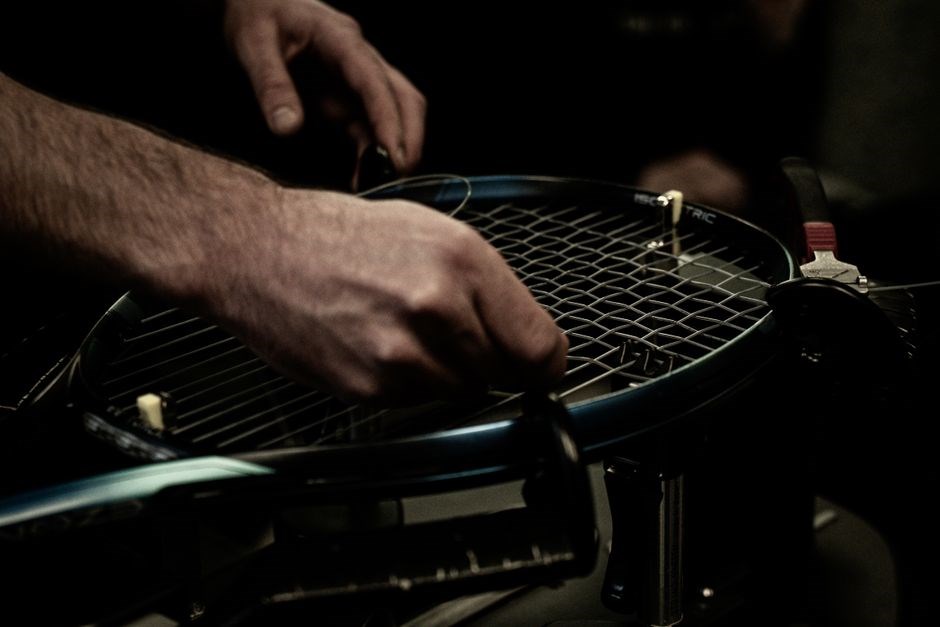
Choosing the right string involves balancing spin, power, and durability. Start with a tension that matches your play style—lower for power, higher for control. Regularly inspect for frays, replace after 40–60 hours of play, and store racquets in a cool, dry place to preserve tension. Keep tension daily!!
Spin and RPM Considerations
Spin is quantified by rotations per minute (RPM) of the ball, a key metric for players who want to add topspin or slice. A higher RPM rating indicates a string’s ability to generate more spin, but it often comes at the cost of reduced durability and power. Babolat’s RPM Rough line is engineered for maximum spin, featuring a textured surface that grips the ball and increases friction, allowing players like Rafa or Carlos to produce heavy topspin with moderate effort. In contrast, the RPM Blast series offers a smoother feel and higher tension tolerance, delivering consistent control while still permitting a respectable spin output. The choice between Rough and Blast depends on a player’s style: aggressive baseline players who hit hard and break strings frequently benefit from Rough’s spin potential, whereas tactical players who emphasize placement and consistency may prefer Blast’s control. Additionally, string tension directly influences RPM; lower tensions generally increase spin but reduce power, while higher tensions enhance power but limit spin. Players should experiment with tension ranges of 50–60 lb for Rough and 55–65 lb for Blast to find the optimal balance. It is also essential to consider the string’s material composition—natural gut and multifilament tend to produce higher RPM due to their elasticity, whereas monofilament and synthetic gut offer more predictable spin but lower RPM values. By understanding these relationships, players can tailor their string choice to match their stroke mechanics, court surface, and competitive goals. Keep it tight. and feel.!
Tension Guidelines
Choosing the right tension is a balance between power, control, and durability. For most players, a baseline tension of 55–60 lb is recommended, but this can shift depending on string type and player preference. Natural gut and multifilament strings, known for their elasticity, allow lower tensions (50–55 lb) to enhance power without sacrificing too much spin. Synthetic gut and monofilament, being stiffer, perform best at slightly higher tensions (58–65 lb) to maintain control and reduce breakage. Babolat’s RPM Rough, designed for spin, typically works best at 50–55 lb, giving players ample spin while preserving string life. RPM Blast, focused on control, performs optimally at 58–62 lb, offering a firmer feel and consistent point placement. Players who hit hard and break strings often benefit from a lower tension (48–52 lb) on RPM Rough to maximize spin, whereas those prioritizing consistency may choose a higher tension (60–65 lb) on RPM Blast. It’s also important to consider the racquet’s string pattern: a dense pattern can handle higher tensions, while a loose pattern may require a bit lower tension to avoid excessive string movement. Finally, always monitor string tension after each stringing session; a drop of 2–3 lb can significantly alter feel, so periodic re‑tensioning or replacement is essential for maintaining optimal performance. Adjust, test, and refine to match your game style and physical strength, ensuring that your tension settings complement your chosen string’s characteristics for maximum playability and longevity. Keep tension optimal for play
Stringing Patterns
Stringing patterns dictate how the net and cross strings interlace, affecting tension distribution, spin potential, and durability. The most common patterns are the standard two‑line, the three‑line, and the overhand. In a two‑line pattern, the net strings cross the racquet at a 90‑degree angle, creating a balanced feel. The three‑line pattern adds an extra diagonal line, increasing spin and control but also raising string wear. Overhand patterns, where the strings are tied in a single continuous loop, reduce breakage and are favored by power players. Hybrid patterns combine two‑line and overhand sections, offering a compromise between spin and durability. Players should experiment with different patterns to match their stroke style: aggressive topspinters may benefit from a three‑line or hybrid, while baseline players might prefer a two‑line for stability. Always consider the racquet’s stringing machine and the manufacturer’s recommended pattern, as some frames are designed for specific tensions and patterns. Adjusting the pattern can also help manage tension loss over time, as certain patterns distribute tension more evenly across the string bed. By selecting the appropriate pattern, players can fine‑tune their equipment for optimal performance and longevity. Players may adjust the pattern for surface; tighter on hard courts reduces vibration, looser on clay enhances spin. Somemachines allow custom patterns, balancing durability and spin. Experimenting with variations reveals subtle differences in ball feel and control, key to equipment optimization.
Care and Replacement Practices
Proper string care extends lifespan and preserves performance. After each match, wipe the racquet with a damp cloth to remove sweat and debris, which can corrode the string and rack. Store the racquet in a cool, dry place; avoid high humidity that accelerates string breakage. Monitor tension loss: most players lose 1–2 lb (0.5–1 kg) per week, so re‑string when tension drops below the manufacturer’s recommended range. For high‑RPM lines like Babolat RPM Rough, which favor spin, replace every 6–8 matches; for control‑oriented lines such as RPM Blast, a 10–12 match interval may suffice. Use a stringing machine with a tension gauge to ensure accurate tension; over‑tensioning can cause premature breakage, while under‑tensioning reduces power. When re‑stringing, consider the pattern and material: natural gut benefits from a tighter tension for power, whereas multifilament is more forgiving. Keep spare strings in a sealed bag to protect from dust. Finally, schedule professional stringing every 12–18 months to inspect string bed integrity and replace any worn or damaged strings, preventing sudden breakage during play. By following these practices, players maintain consistent feel, power, and spin throughout their season. Players should also consider climate: high altitude reduces string tension, so a slight increase may be needed. In humid conditions, synthetic gut resists moisture better than natural gut, preserving elasticity. Using a stringing machine with a built‑in tension meter ensures consistency, allowing fine‑tune for optimal performance for consistency during matches.