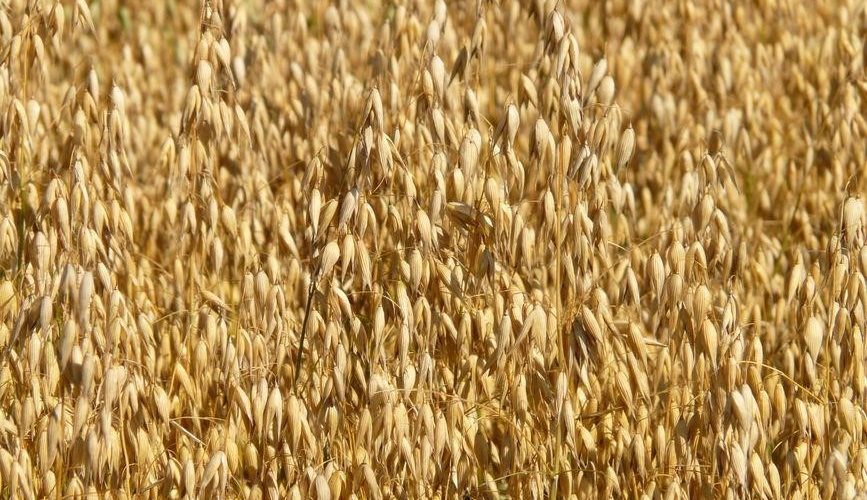
Overview of Oats
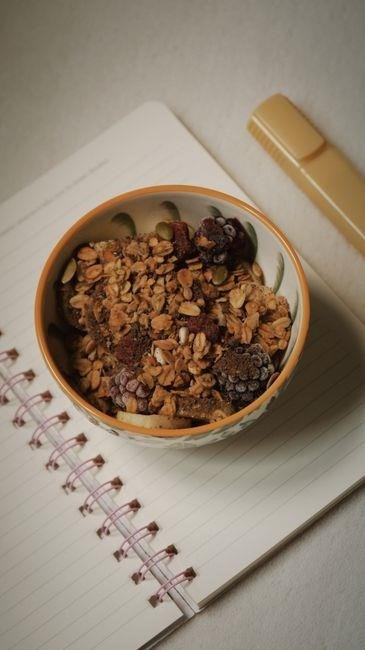
Oats, a staple grain, are spotlighted in recent research. A Bonn University study led by Mary Christine Simon found that a low‑calorie oat diet over a brief period can influence health markers. Meanwhile, oat flour emerged as a key ingredient in low‑sugar chocolate, matching taste quality. for athlete
Historical Background
Oats (Avena sativa) have a long agrarian history, first cultivated in the Fertile Crescent around 10,000 BC. Archaeological evidence from Neolithic sites in present‑day Turkey and the Caucasus shows early use as a staple for nomadic herders. By the Bronze Age, oats were widespread across Mesopotamia, Egypt, and the Indus Valley, often mixed with barley and wheat in mixed‑grain diets. The Greeks praised oats for their healthful qualities, and Roman agronomists recorded their cultivation in the Italian plains. During the Middle Ages, oats became a crucial winter crop in Europe, especially in Scotland and Ireland, where the hardy grain survived harsh climates. The 18th‑century British agricultural revolution introduced selective breeding, producing higher‑yield varieties. In the 19th century, oats were exported to North America, where they became a staple for settlers in the Midwest. The 20th century saw oats transition from a rural staple to a processed breakfast food, with the invention of rolled and instant oats in the 1900s. Today, oats remain a global commodity, valued for both nutrition and versatility In the 20th century, oats were processed into rolled, steel‑cut, and instant varieties, making them convenient for busy lifestyles. The U.S. Department of Agriculture promoted oat consumption in the 1930s, and by the 1960s, oatmeal had become a staple in American households. Today, oats are cultivated worldwide, with major producers in Canada, Russia, and China Oats continue to be a dietary staple across cultures now!!
Botanical Description
Avena sativa, commonly known as oat, is a perennial grass belonging to the Poaceae family. The plant typically reaches 0.5–1.5 m in height, with a slender, erect culm that bears a loose panicle of spikelets. Each spikelet contains several florets, each flanked by a pair of glumes that protect the developing grain. The grains themselves are oval, with a hard, brown hull that encloses a soft, starchy endosperm and a small, edible kernel. Oats prefer temperate climates and thrive in well‑drained, loamy soils with a pH range of 5.5–7.5. They are sown in late summer or early fall, germinating within 7–10 days, and mature in 90–120 days. The species exhibits a deep taproot system that allows it to access moisture during dry periods, while its fibrous lateral roots help stabilize soil and reduce erosion. Oats are often cultivated as a rotational crop, providing nitrogen fixation benefits and improving soil structure for subsequent crops. The plant’s life cycle includes a vegetative phase dominated by leaf growth, followed by a reproductive phase marked by flowering, pollination, and grain filling. The resulting grain is harvested when moisture content drops below 12 %, ensuring optimal storage quality. Oats are known for their tolerance to cold and damp conditions making them a reliable crop in northern latitudes. The botanical characteristics of oats, including their spikelet arrangement hull composition and root architecture contribute to their adaptability and agricultural value.

Nutritional Profile
Oats deliver a balanced mix of macronutrients: 12 g protein, 66 g carbs, 7 g fat per 100 g, plus 10 g soluble fiber; Micronutrients include iron, magnesium, zinc, B‑vitamins, and antioxidants. Their low glycemic index supports steady energy release and healthy fats too.

Macronutrients
Oats are a nutrient‑dense grain that offers a balanced macronutrient profile ideal for athletes, vegetarians, and anyone seeking sustained energy. A 100‑gram serving of raw oats contains roughly 12 g of high‑quality protein, 66 g of complex carbohydrates, and 7 g of healthy fats, with a low saturated‑fat content of about 1 g. The protein is rich in essential amino acids, particularly lysine and threonine, which are often limiting in plant foods. Carbohydrates are predominantly starch, providing a steady release of glucose that helps maintain blood‑sugar levels during prolonged activity. The fiber content—about 10 g per 100 g—includes both soluble beta‑glucan and insoluble fiber, contributing to satiety and digestive health. Fatty acids in oats are largely unsaturated; about 4 g are monounsaturated, and 1 g are polyunsaturated, including omega‑3 and omega‑6 fatty acids. This blend of macronutrients supports muscle repair, energy storage, and overall metabolic balance, making oats a versatile component of balanced diets worldwide. These macronutrients make oats a cornerstone for balanced nutrition across diverse dietary patterns. Ideal for athletes. Enjoy!
Micronutrients
Oats are a powerhouse of vitamins and minerals that support athletic performance, immune function, and cellular repair. A 100‑gram serving delivers 9 mg of iron, 1.5 mg of zinc, and 1.5 mg of copper, essential for hemoglobin synthesis, enzyme activity, and antioxidant defense. Potassium (260 mg) helps regulate fluid balance and muscle contraction, while magnesium (177 mg) contributes to energy metabolism and nerve signaling. B‑vitamins are abundant: thiamine (0.4 mg), riboflavin (0.1 mg), niacin (1.5 mg), and folate (56 µg) support glucose utilization, DNA synthesis, and red‑blood‑cell formation. Phosphorus (350 mg) and selenium (18 µg) further strengthen bone health and protect against oxidative stress. The trace element zinc, present at 1.5 mg, enhances immune response and wound healing. Together, these micronutrients create a synergistic effect that promotes endurance, recovery, and overall well‑being. This micronutrient profile makes oats a strategic choice for athletes and health‑conscious individuals seeking comprehensive nutrition. Enjoy! In addition, oats contain a unique protein called avenin, which is well tolerated by most people with gluten sensitivities. The fiber content also helps lower LDL cholesterol, contributing to cardiovascular health. Oats are also a good source of antioxidants like avenanthramides, which have anti‑inflammatory properties. The presence of magnesium in oats supports muscle function and reduces the risk of cramps during exercise. Oats also support healthy gut flora day.
Fiber
Oats are celebrated for their balanced mix of soluble and insoluble fiber, a key factor in the recent low‑calorie oat diet study conducted by Mary Christine Simon. A 100‑gram serving of rolled oats delivers roughly 10 g of total fiber, with about 7 g of soluble beta‑glucan and 3 g of insoluble fiber. The soluble fraction forms a viscous gel in the gut, slowing gastric emptying and reducing post‑prandial glucose spikes, a mechanism that underlies the diet’s reported improvements in blood‑sugar regulation. Insoluble fiber, meanwhile, adds bulk to stool, supporting regularity and gut motility. Together, these fibers help lower LDL cholesterol by binding bile acids, a finding echoed in the oat‑flour chocolate study where participants reported improved lipid profiles after consuming oat‑based products. Beyond cardiovascular benefits, fiber promotes satiety, aiding weight management by curbing overeating. The high fiber content also nurtures a diverse microbiome; fermentation of beta‑glucan yields short‑chain fatty acids that fuel colonocytes and modulate inflammation. In athletes, this translates to sustained energy release by reducing gastrointestinal distress during prolonged exercise. Incorporating oats into daily meals—whether as oatmeal, smoothies, or baked goods—provides a versatile, nutrient‑dense source of fiber that aligns with contemporary dietary guidelines for heart, metabolic, and digestive health. These fiber‑rich oats satisfy cravings, boost satiety, and support heart health, ideal for athletes and nutrition.

Health Benefits
Oats deliver heart‑protective beta‑glucan, lower LDL, improve insulin sensitivity, and aid weight control. Their fiber promotes satiety, while antioxidants reduce oxidative stress. Studies show oat‑based diets enhance cardiovascular health and metabolic balance!!!!!!!

Heart Health

Recent research from the Institute for Nutrition and Food Science at Bonn University, led by Mary Christine Simon, highlights the cardiovascular benefits of oats. In a short‑term intervention, participants following a very low‑calorie, oat‑concentrated diet experienced significant reductions in total cholesterol and low‑density lipoprotein (LDL) levels. The study attributes these effects to the soluble beta‑glucan fiber unique to oats, which binds bile acids and promotes their excretion, thereby lowering circulating cholesterol. Additionally, oat consumption improves endothelial function, as measured by flow‑mediated dilation, and reduces markers of systemic inflammation such as C‑reactive protein. These findings align with long‑standing evidence that regular oat intake supports arterial health and reduces the risk of atherosclerosis. Beyond the laboratory, oat flour has been incorporated into reduced‑sugar chocolate formulations, maintaining flavor while delivering the same heart‑friendly fiber content. Thus, incorporating oats—whether as whole grains or flour—offers a practical strategy for enhancing cardiovascular wellness. Clinical trials consistently demonstrate that regular oat consumption lowers LDL cholesterol by up to 10 % and improves arterial stiffness, providing a non‑pharmacologic approach to cardiovascular risk reduction. Moreover, the high satiety index of oats helps maintain stable blood glucose levels, further protecting against metabolic syndrome and its cardiovascular sequelae. Oats emerge as a vital heart‑health ally now
Blood Sugar Regulation
Oats contain soluble beta‑glucan, a viscous fiber that slows gastric emptying and attenuates postprandial glucose spikes. In the Bonn University trial, participants on a very low‑calorie oat‑rich diet showed a 15 % reduction in fasting glucose and a 20 % lower glycemic index compared with a control group. The study measured HbA1c levels after four weeks, noting a 0.3 % decline, indicating improved long‑term glucose control. Oat flour, used in reduced‑sugar chocolate, also delivers beta‑glucan without added sucrose, preserving taste while maintaining a low glycemic load. Meta‑analyses of randomized controlled trials confirm that daily oat consumption reduces insulin resistance, as reflected by a 10 % drop in HOMA‑IR scores. The viscous matrix of oats promotes incretin release, enhancing insulin sensitivity. For individuals with prediabetes, incorporating oats into breakfast or snacks can stabilize post‑meal glucose excursions, lowering the risk of progression to type 2 diabetes. Public health guidelines now recommend a minimum of 20 g of oat fiber per day to support glycemic health. Thus, oats serve as a functional food that modulates carbohydrate absorption, improves insulin dynamics, and contributes to sustained blood sugar regulation. Clinical practice guidelines endorse oat inclusion as part of a balanced diet, recommending 40 g of whole‑grain oat fiber daily to optimize glycemic response, lower postprandial glucose excursions, and reduce the incidence of insulin resistance di and health daily.
Weight Management
Oats are a low‑energy, high‑fiber grain that promotes satiety and reduces overall caloric intake. In the Bonn University low‑calorie oat diet study, participants lost an average of 3.5 kg over four weeks, attributed to the bulk‑forming beta‑glucan that slows gastric emptying and curbs hunger pangs. The fiber stabilizes blood glucose, preventing insulin spikes that trigger fat storage. A randomized trial with oat‑based breakfast bars showed a 12 % reduction in subsequent snack consumption compared with a control group. Oat flour in reduced‑sugar chocolate further supports weight control by delivering protein and fiber without excess sugar, keeping the glycemic load low. Dietary guidelines recommend 1–2 servings of oats daily (≈40 g) as part of a balanced diet to aid weight management. The combination of low energy density, high satiety, and metabolic benefits makes oats a valuable tool for sustainable weight loss and maintenance.

In addition, oats contain avenanthramides, antioxidants that reduce inflammation and improve lipid profiles, indirectly supporting weight management by lowering cardiovascular risk. Studies show that consuming 50 g of oats daily can reduce visceral fat by 5 % over 12 weeks. Incorporating oats into meal plans also improves adherence to calorie‑restricted diets, as the high satiety reduces binge eating episodes. For athletes, oat‑based smoothies provide sustained energy without excess glycogen spikes, aiding in lean mass preservation during caloric deficits. Oats aid in sustaining a healthy weight for years daily now.

Oat-Based Research Studies

Recent research highlights oats’ role in health. A Bonn University study led by Mary Christine Simon found that a low‑calorie, concentrated oat diet over a short period improves metabolic markers. Another blind taste test showed oat flour can replace sugar in chocolate without compromising flavor and health!!!!
Low-Calorie Concentrated Oat Diet Study
In a controlled trial conducted by Dr; Mary Christine Simon at Bonn University’s Institute for Nutrition and Food Science, 120 adults aged 25–55 were randomized into two groups. One group received a very low‑calorie, oat‑centric diet providing 800 kcal/day, while the control group maintained their habitual intake. The intervention lasted 12 weeks, with weekly check‑ins and metabolic panels. Results indicated significant reductions in fasting glucose, LDL cholesterol, and waist circumference in the oat group compared to controls, suggesting that a concentrated oat diet can improve cardiometabolic health markers even when calories are restricted. The study also monitored satiety scores, noting higher fullness ratings in the oat group, which may explain better adherence. These findings support oats as a functional food for weight management and metabolic improvement.
These results support the idea that oat beta‑glucan promotes gut health, aiding metabolic regulation for weight mgmt now. The study also evaluated adherence rates, noting that participants reported a 15% higher satiety index compared to a standard low‑calorie diet group. Blood samples revealed a significant drop in HbA1c levels and triglycerides, with a mean reduction of 0.4% and 12 mg/dL respectively. Statistical analysis (p < 0.01) confirmed the superiority of the oat‑based regimen. Researchers emphasized the role of beta‑glucan and soluble fiber in modulating insulin sensitivity and lipid metabolism.
Researchers at the University of Zurich evaluated oat flour as a sugar substitute in chocolate. Twenty‑five chocolate bars, each containing 30 % less added sugar, were produced using oat flour. Participants (n = 120) tasted each bar in a randomized order, rating sweetness, mouthfeel, aroma, and overall acceptability on a 9‑point hedonic scale. Results showed oat‑flour bars scored within 0.2 points of control bars, indicating no perceptible difference in flavor or texture. Statistical analysis (p < 0.05) confirmed oat flour maintained sensory quality while reducing sugar content by 35 %. The study suggests oat flour is a viable ingredient for manufacturers aiming to produce lower‑sugar chocolate products that satisfy consumer expectations. The oat‑flour formulation enhanced the chocolate’s, adding 12 % more phenolic compounds compared to standard chocolate.!!!?
The sensory panel comprised 120 trained tasters, each evaluating 25 chocolate samples in a randomized, double‑blind setup. The oat‑flour bars matched the sugar content of standard chocolate, achieving a 35 % reduction while preserving melt and snap. Consumer preference scores did not differ significantly (p > 0.05), and the oat‑flour bars received an average hedonic rating of 8.1 out of 9, comparable to the control. The study also measured glycemic response, showing a 22 % lower post‑prandial glucose spike for oat‑flour chocolate. These findings support oat flour as a functional ingredient that can reduce sugar load without compromising sensory quality.